Coronado Heights Park — Lindsborg, KS
LiDAR documentation of the WPA-era stone picnic structure at Coronado Heights for historic preservation planning.
October 2021
There is a rather out-of-place hill northwest of Lindsborg, Kansas. The approximately 300-foot-tall mound is now known as Coronado Heights Park, owned and maintained by the Smoky Valley Historical Association. In the 1930s, the Works Progress Administration (WPA) built a picnic area and castle-like building on the top of the hill out of Dakota limestone. The view from this castle on the hill is spectacular, like something more at home in the Scottish Highlands than rural central Kansas. The Rogue Visual Design team had the opportunity to begin scanning the site as a training exercise, one that would showcase how the scans could be used for historical preservation purposes.
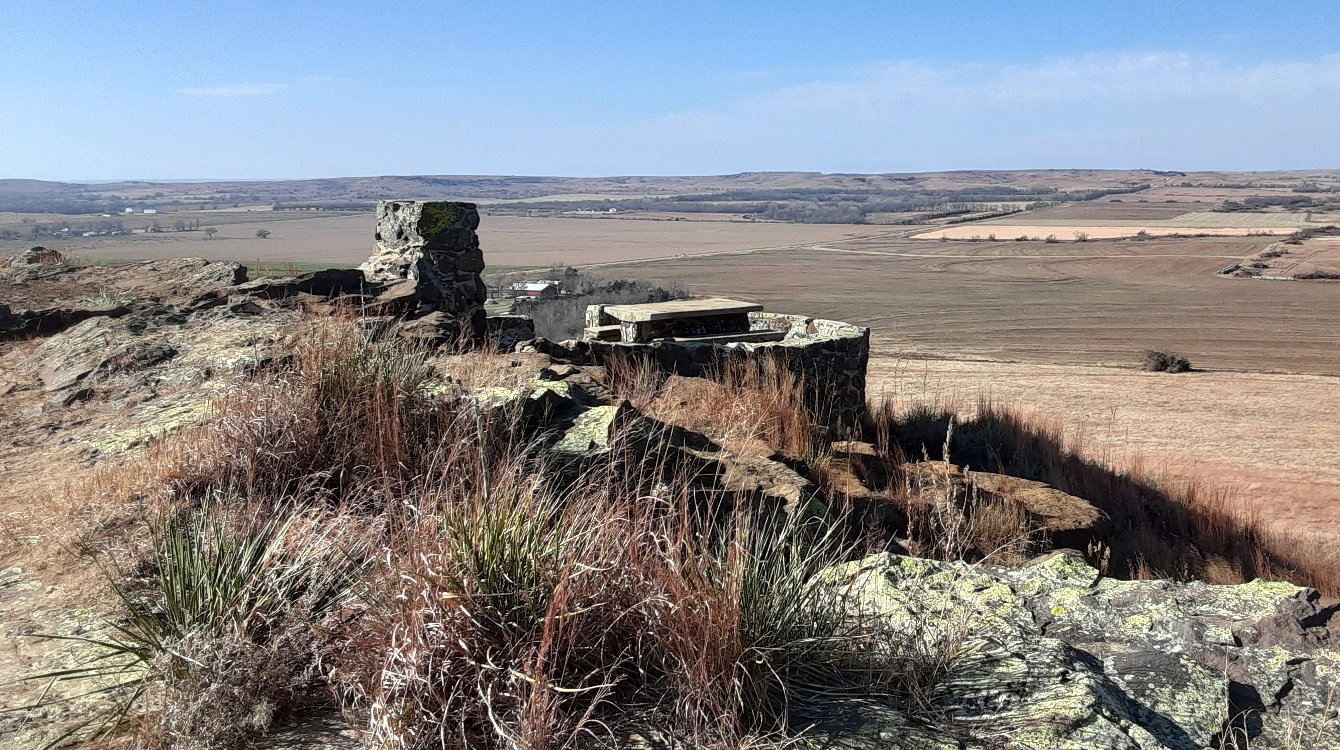
Coronado Heights received its name from a local legend that claims Spanish Conquistador Francisco Vázquez de Coronado y Luján gave up his infamous search for the seven cities of gold and returned to Mexico on or near this site. Coronado allegedly visited central Kansas in 1541 on an expedition for the Native American city of Quivira.
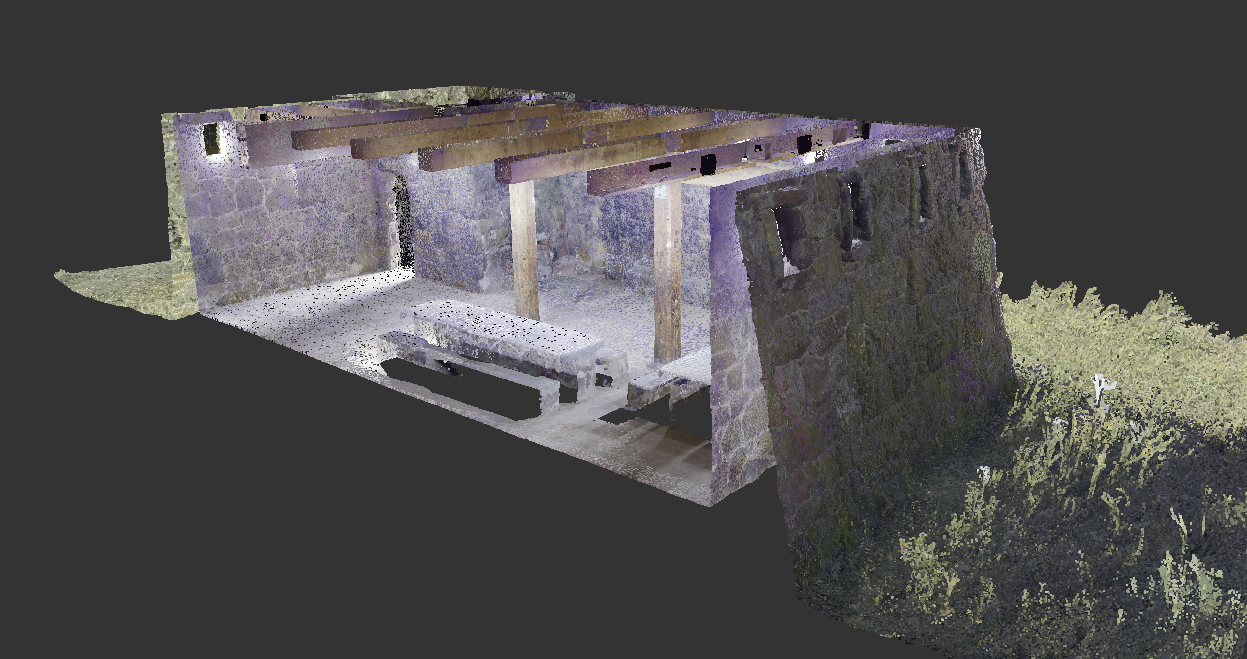
Historical sites such as this deserve to be preserved physically through maintenance and renovation, and digitally through the LiDAR/laser scanning process. With a digital copy of the structure and the surrounding area provided by Rogue Visual Design, public works officials have what they need to essentially re-create the site and possess a permanent digital record of the structure that could outlast the actual buildings themselves.