
A Flag That Grows with Us: The Evolution of the American Flag
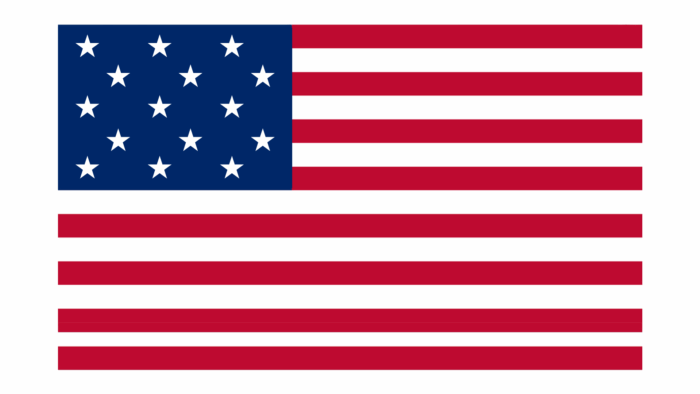
Each year on June 14, we celebrate Flag Day, the anniversary of the Continental Congress’s 1777 decision to create a national flag for the newly declared United States. That first version? Thirteen stars and thirteen stripes—one for each original colony, arranged to symbolize unity and independence.
But here’s what makes our flag especially unique: it’s not static.
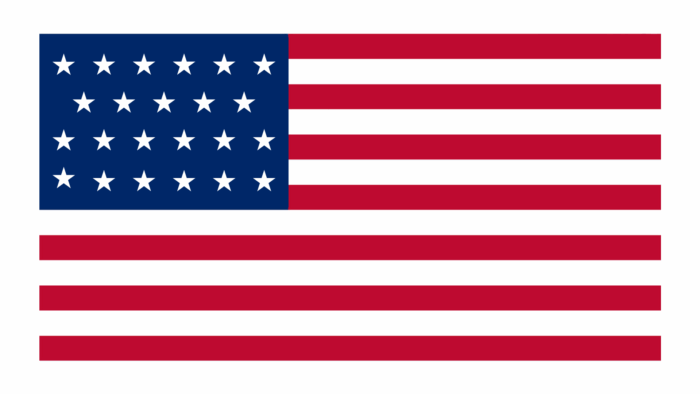
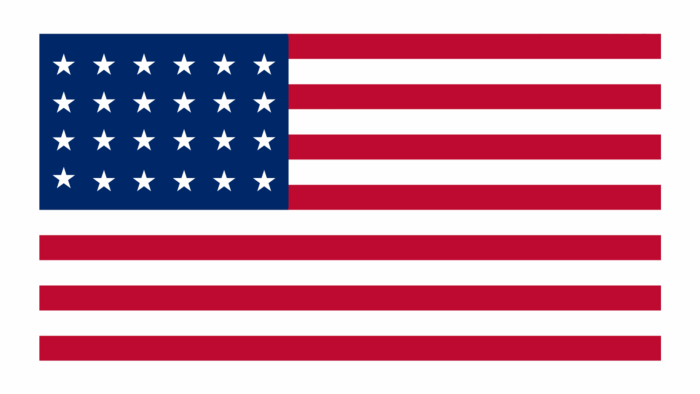
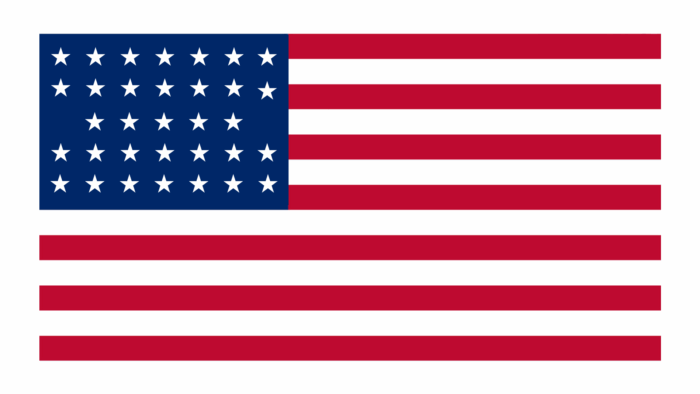
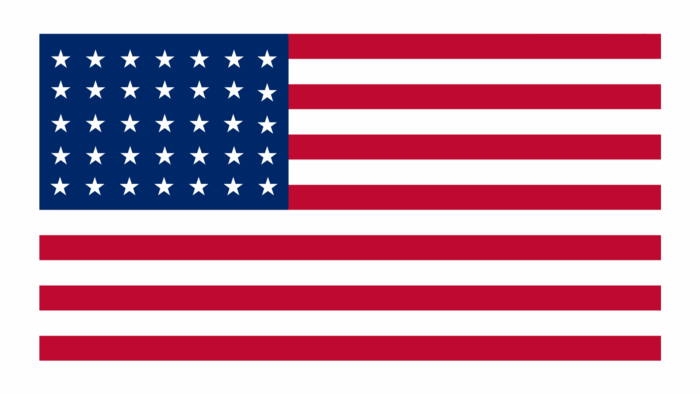
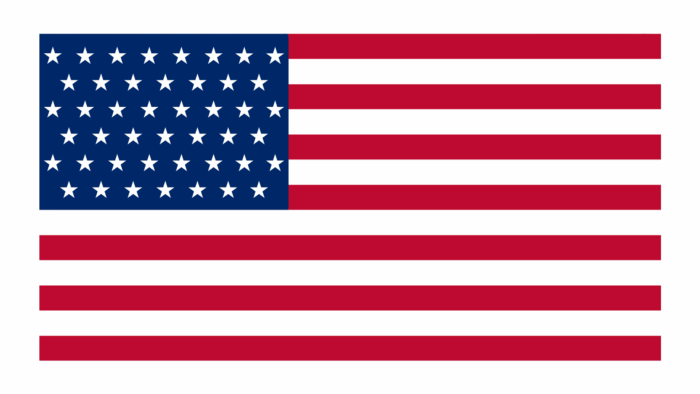
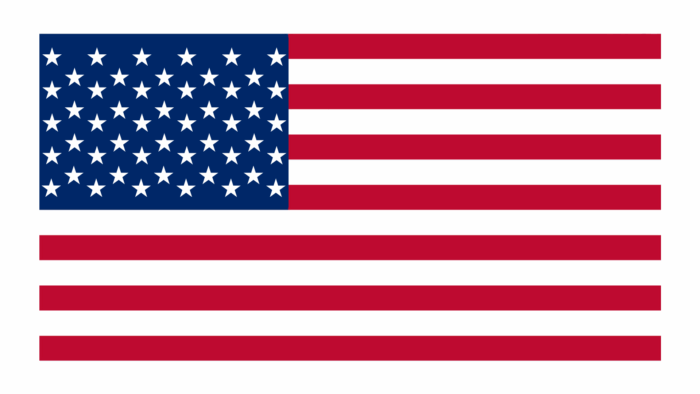
The U.S. flag has changed 27 times since 1777, reflecting our nation’s growth and expansion. Each star added tells the story of a new state, a new voice, and a new chapter in the American experience. Below is a complete look at every official version and the reason behind its creation.




















Fast Flag Facts
– A new star is added only on July 4 following a new state’s admission.
– The stripes have remained 13 since 1818.
– The 50-star version was designed by a 17-year-old student, Robert G. Heft.
– The U.S. flag has never removed a star, even during the Civil War.
Each version of the flag reminds us that America is constantly evolving. Every added star represents people, stories, and history woven into the fabric of the country.
As we celebrate Flag Day, take a moment to reflect on the journey behind the stars and stripes—not just where we’ve been, but where we’re headed.
27 versions. One nation. Always growing.